
Weeds, commonly referred to as “weeds”, are wild plants necessary for the balance of your garden. However, their tendency to invade space prompts you to take action.
Pesticides are often used for their effectiveness. But they can intoxicate your pet, attack the insects and microorganisms essential for the life of your garden. You are also exposed to this surrounding pollution, even though the World Health Organization stated in 2016 that glyphosate does not pose a carcinogenic risk after being classified as “probably carcinogenic” in 2015 (study conducted with the International Agency for Research on Cancer).
Previously, over a period of 20 years, certain pesticides were banned because they posed a risk to gardeners and farmers. These products expose users to a high level of these phytopharmaceuticals.
The doubt has been settled on the subject. Since the beginning of 2017, synthetic pesticides have been banned in gardens and public green spaces, in local communities and public establishments. As of January 1, 2019, a law will prohibit this use for individuals.
The International Association of Biocontrol Products Manufacturers (IBMA) will determine the products you can use in your gardens in the future. Biocontrol would protect both your garden and the user and would know the natural agents to use such as macro-organisms (ladybugs…), microorganisms (bacteria, fungi…) and natural substances.
But it might be interesting to start right now, so we present you with recipes to make your homemade weed killer. It’s also a way to save money.
CONTENT
- The various natural weed killers
- Pasta cooking water
- Potato cooking juice
- Baking soda
- White vinegar
- Homemade vinegar
- Nettle concentrate
- Angelica manure purine
- Wood ash
- Mulching
- Bonus Tips
- Useful weeds
The different natural weed killers
Below, we list recipes you can make for your product at home:
Pasta cooking water
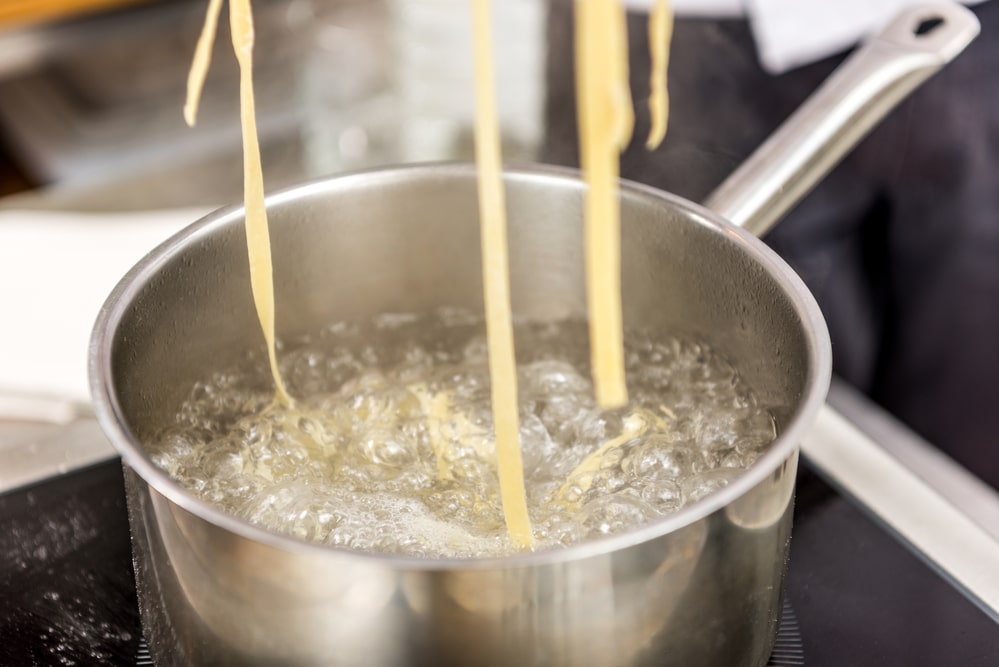
It contains carbohydrates, B vitamins, starch, and magnesium. Salty, it dries out weeds and moss.
Pour hot water at the base of the weeds, just be sure to protect the other plants as the salt could attack them. The amount of salt in the cooking water should be moderate as it tends to deplete the soil.
Potato cooking juice
It also contains starch, but also calcium, manganese, zinc, iron, potassium, and vitamin C.
Pour hot water on the weeds, being careful with your plants. Salt should be used sparingly for the reasons mentioned above.
Baking soda
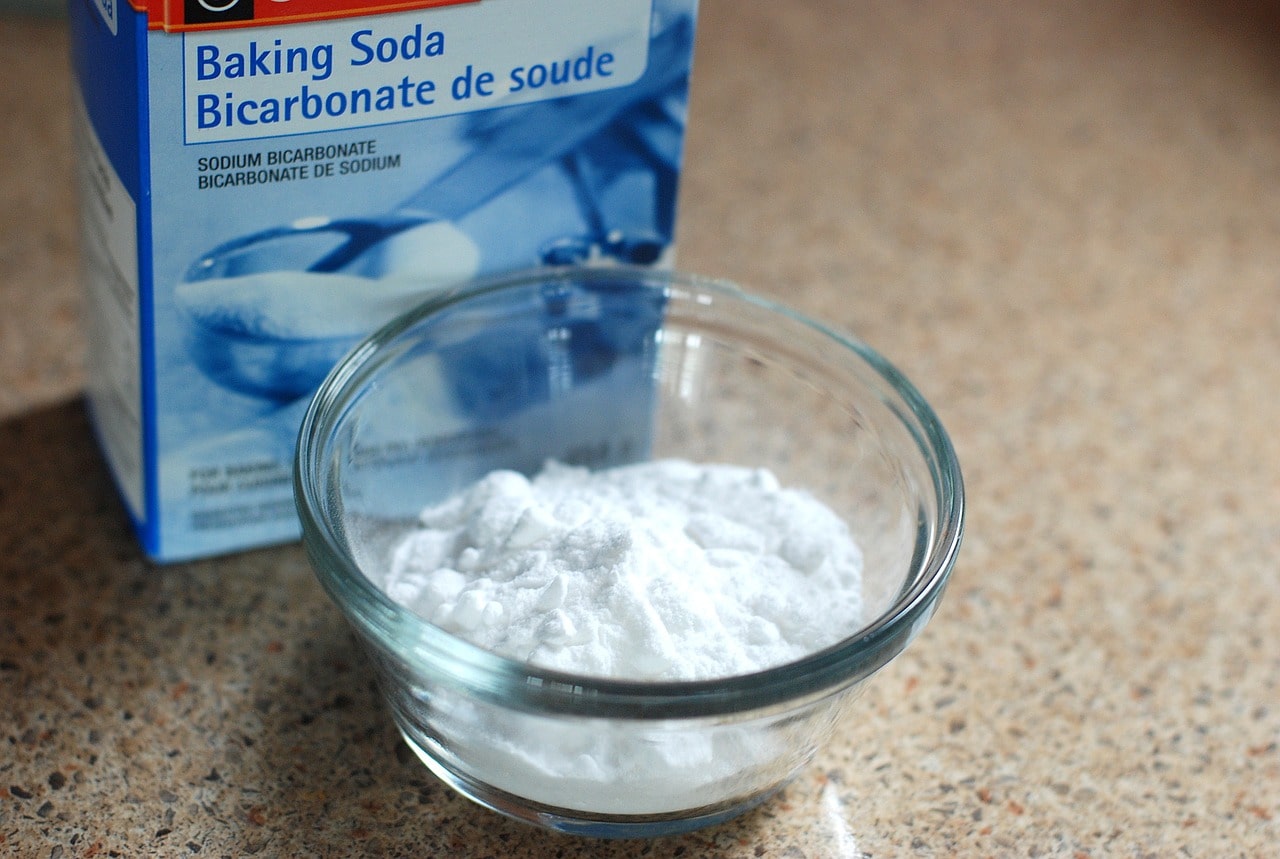
This white powder can simply kill weeds 1 to 2 times by pouring it directly on the weeds. On slabs, it will act to prevent regrowth.
One recipe consists of mixing 70 g of baking soda with 1L of boiling water on the weeds (top part).
White vinegar
Acetic acid contained in white vinegar is a good herbicide.
Mix 1 liter of white vinegar with ½ liter of water, applying it at the end of the day. The dilution in water will prevent the vinegar from affecting the fertility of your soil.
In equal parts, a mixture of white vinegar, salt, and soap. All in a spray bottle, and it’s done.
Here’s another easy recipe to make in video:
Add 100 g of https://youtube.com/watch?v=AbXtz6xzMiY?feature=oembed salt to 3L of white vinegar, and a drop of dish soap to allow contact with the leaves. In a sprayer, it will work wonders on hot days in the morning and will facilitate application in cracks and brick paths.
Be careful with your plants because vinegar is harmful to them too.
Homemade vinegar
With 2L of ordinary wine, a small amount of sulfites that you have kept for a month in a bottle, you get a viscous mass made of acetic ferments. This will allow the formation of vinegar.
1 liter of weed killer will treat between 7 and 10 m² of weeds
Concentrated nettle purine
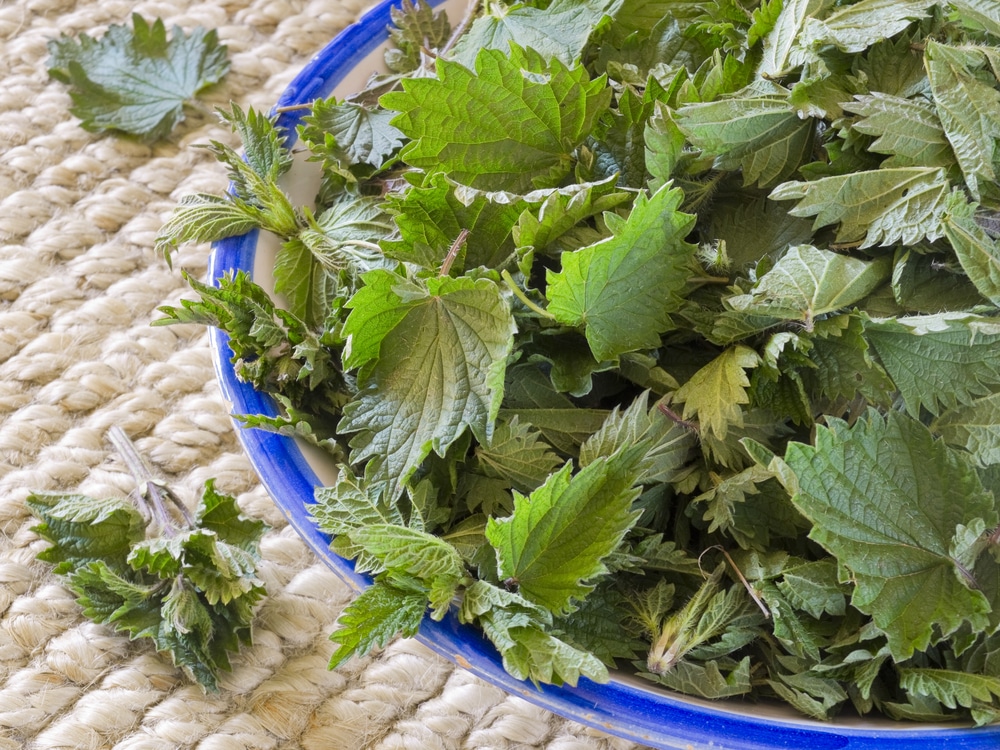
1 kg of nettles per 10 liters of water (you can use rainwater).
Cut the nettles into small pieces, macerate them in water for 3 to 4 days, with an outside temperature of 18°C. Dilute and filter if necessary to use a sprayer.
The smell is not pleasant, the best is to keep your purine in a place that won’t disturb.
Pour a small amount of manure as it can be toxic to your plants due to its richness in nitrogen.
Angelica purine
1 kg of angelica and 10 liters of water for your mixture.
Let it macerate for 1 week, then pour it on the weeds. You can grow your angelica plants in your garden or apartment.
Wood ash
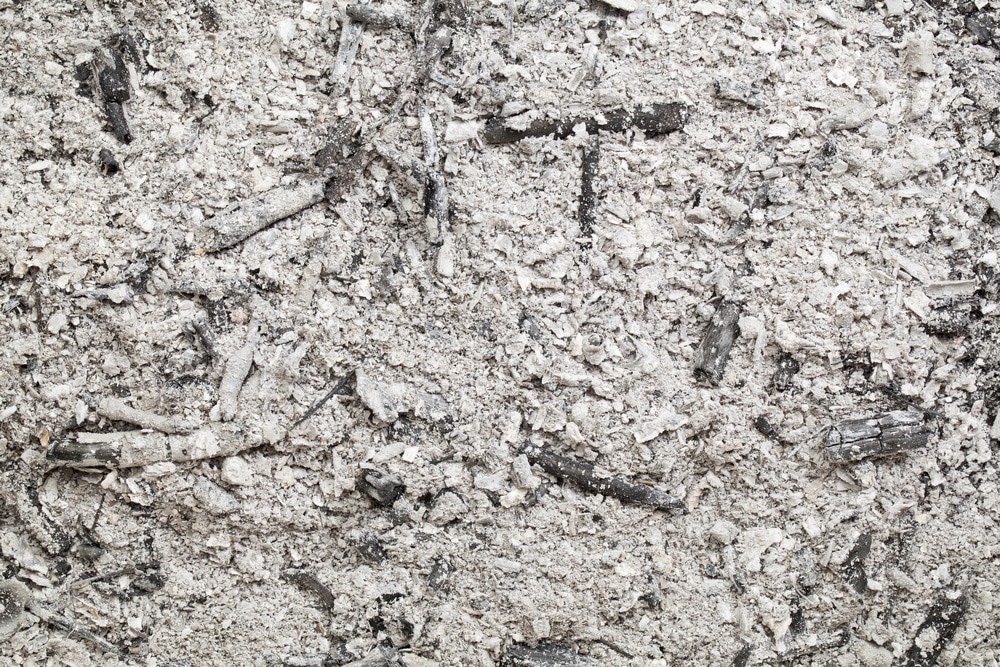
It will allow you to remove moss. Sprinkle ashes, the acidity of the soil will act effectively (know that you can also use ashes to do your laundry at home!).
Mulching
It is the cut grass that you collect after mowing your lawn. A 5 cm layer forms the mulch that will protect your vegetable garden in permaculture, for example.
Bonus Tips

Other tips allow you to limit weeds.
Cover the bases of your plants with newspaper to prevent weed growth; they will not be able to germinate without sunlight. You should moisten the soil beforehand and cover it with mulch. This will attract earthworms that will aerate the soil.
You can also scald the weeds. Be careful to pour only a trickle of water at the base. This may require 2 or even 3 applications.
The Bacillus thuringiensis bacteria acts as an insecticide thanks to a protein. It has long been used in agriculture and gardening. It eliminates mosquitoes and butterfly larvae that attack your plants.
There is also sexual confusion applied to males with pheromone dispensers, to trap them. Pests cannot then reproduce. They are used for apple and pear trees against codling moths, or apple worms.
Ladybugs for greenhouse vegetable crops get rid of aphids.
Useful weeds

Know that some weeds are useful for enriching the soil with humus. Not all should be eliminated from your garden.
Here’s a list:
- Red dead-nettle, white chickweed absorbs nitrogen in excessive amounts
- Shepherd’s purse releases potash through decomposition and helps enrich your soil.
Some like poppies and cornflowers attract bees and pollinating insects and are medicinal. They are also aesthetic in your garden!
Tag: make a natural weed killer