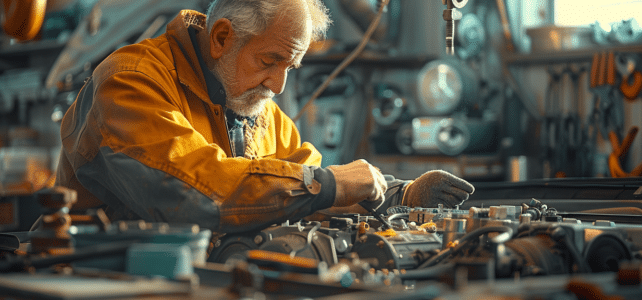
The cooling system is vital for maintaining your vehicle’s engine at an optimal operating temperature. A malfunction can lead to overheating, affect performance, and even cause irreversible damage to the engine. Identifying warning signs such as leaks, overheating, or fluctuations in engine temperature is fundamental. Understanding how to check the coolant level, inspect hoses and the radiator, as well as ensuring the proper functioning of the thermostat and water pump, can help you prevent breakdowns and extend the lifespan of your car.
Diagnosis of Common Cooling System Problems
The cooling system of a car performs an essential function: keeping the engine at a stable temperature to prevent premature degradation. A coolant leak can lead to engine overheating, a symptom often accompanied by an unexpected rise in the temperature displayed on the dashboard. Inspect the hoses, radiator, and head gasket for potential leaks. A puddle under the vehicle or a rapidly decreasing coolant level are telling signs.
Detecting an excess of coolant can also indicate a malfunction. An abnormally full overflow tank could suggest a circulation problem, often due to a faulty temperature sensor or a stuck thermostat. Also check the proper functioning of the water pump, a central component of the cooling system that, if damaged, compromises the circulation of the fluid and thus the cooling of the engine.
The presence of air bubbles in the circuit or unusual deposits in the coolant reservoir are warning signs of a failing head gasket. This small part is crucial for the integrity of the engine and the performance of the cooling system. A damaged head gasket can allow coolant and oil to mix, leading to serious engine damage.
Do not underestimate the importance of temperature sensors. These devices monitor the temperature of the coolant and inform the engine management system. A faulty sensor can send false readings, leading to inappropriate reactions from the cooling system, such as the radiator fan activating too late or too early. A check with an appropriate diagnostic tool ensures their proper functioning.

Strategies and Steps to Resolve Cooling Issues
In the case of a coolant leak, using a stop leak can be a temporary solution. This repair product, designed to seal small leaks, can be poured into the coolant reservoir. However, consider this method as a stopgap, not a permanent fix. Faulty components must be identified and replaced by a qualified automotive repair mechanic to ensure a lasting resolution to the problem.
For more significant leaks, consulting a professional is essential. The Vroomly repair service, for example, offers accurate diagnostics and appropriate repairs for cooling systems. This process begins with pressurizing the system to locate the leak, followed by the repair or replacement of damaged parts such as hoses, the radiator, or the water pump.
The next step is to bleed the cooling system to eliminate air bubbles that could disrupt fluid circulation. Once repairs are made and the circuit is bled, new coolant that meets manufacturer specifications is introduced. This step is crucial for restoring optimal thermal regulation of the engine.
Test the proper functioning of the temperature sensors and the thermostat to ensure an adequate response from the system under real driving conditions. An electronic diagnostic can be performed to ensure that the sensors provide accurate readings and that the system reacts correctly. Follow these steps rigorously to prevent the risk of overheating and preserve the longevity of your engine.