Gardening in 2026 is no longer just a matter of choosing between cherry tomatoes and climbing roses. The European list of invasive alien species was expanded in 2025, meaning that some species sold freely just a few years ago may now be subject to restrictions.
At the same time, the ban on plant protection products for home gardeners remains in place, with limited exceptions for biocontrol products, low-risk products, and products approved for use in organic farming. These regulations are reshaping the practices of anyone who wants to grow a thriving garden without breaking the law.
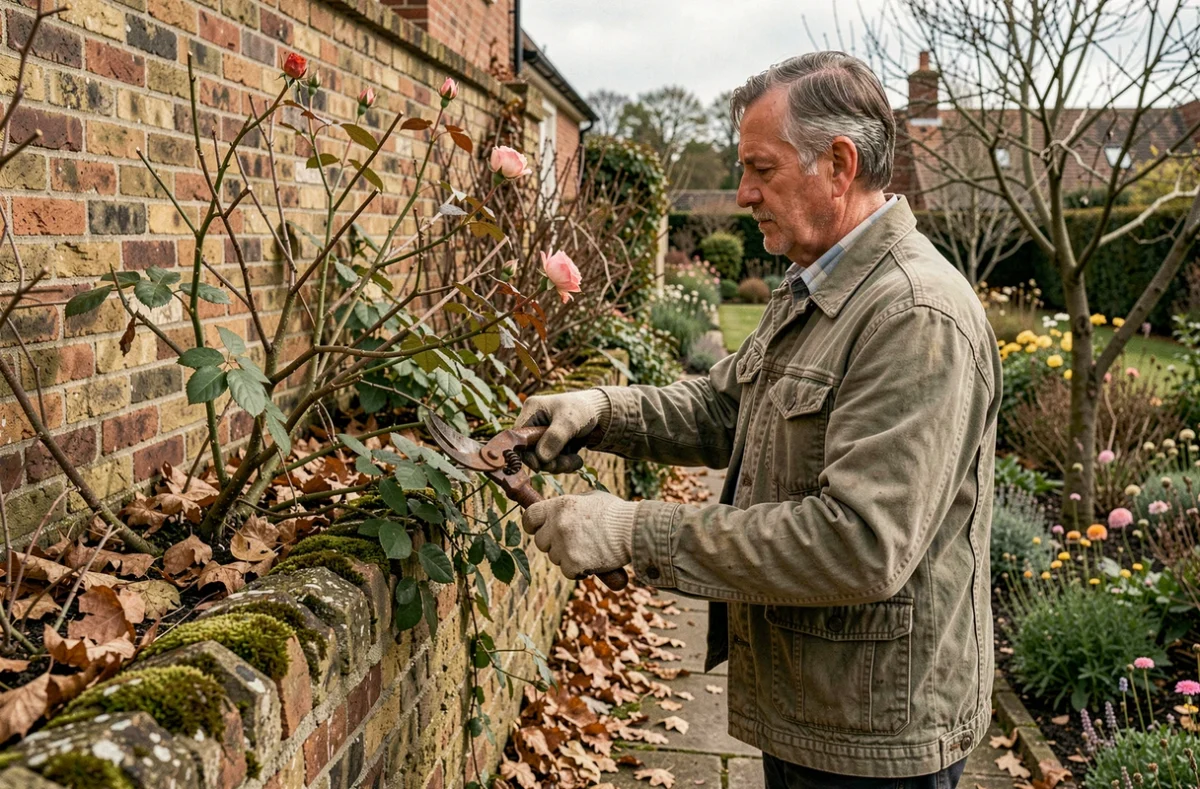
Invasive alien plants: check before you plant
Running bamboo, buddleia, or prickly pear can turn a flower bed into a nightmare for neighbors and the local ecosystem. The legal distinction between a plant that is simply invasive in your garden and a species listed on an official register makes all the difference. A perennial that self-seeds prolifically is not automatically banned. Restrictions apply only to species included on European or national lists.
The practical issue arises when propagating plants or moving soil. Moving plant fragments or soil containing the rhizomes of a regulated species can spread it, which is why regulations seek to limit this practice. Before dividing a clump or giving plants to a neighbor, check the species’ regulatory status against the current list to avoid complications.
Following the latest news from Les Jardins de Camille is a good way to stay informed about changes that directly affect plant choices in the garden.
Garden treatment products: what home gardeners can still use
The ban on pesticides for non-professional use is often summed up in a misleading shortcut: “no products are allowed anymore.” The reality is more nuanced. Some biocontrol products are still available to home gardeners, as are low-risk products and those approved for organic farming.
The challenge is identifying these products at garden centers. Marketing claims such as “natural,” “organic,” or “eco-friendly” do not always correspond to legal categories. A product labeled “natural” may not appear on the list of permitted exceptions. Conversely, a product with an unappealing technical name may be fully compliant.
How to identify an authorized product
- Check the packaging for the wording “approved for use in gardens” (EAJ), which remains the reliable regulatory indicator for home gardeners
- Look up the marketing authorization number (AMM) in the French Ministry of Agriculture’s official database
- Be wary of marketing terms that do not correspond to any specific legal category, such as “green treatment” or “natural pesticide-free solution”
It takes some effort to sort through the options, but doing so protects both the gardener and the environment. Confusing marketing with regulations is still the most common pitfall when buying plant protection products.
Ragweed and local health requirements: a special case for natural gardening
Leaving part of the garden untended to encourage biodiversity is an increasingly popular practice. But this approach runs up against a specific requirement when ragweed is involved. The prefect may impose prevention and control measures when ragweed is found or likely to be present on a property, whether cultivated or not.
Ragweed is no ordinary weed. Its pollen causes severe allergies in a significant proportion of the population, which is why it is subject to a separate legal framework. For affected owners or occupants, taking action is not a recommendation: it is required by a prefectural order.
What this means for a low-maintenance garden
Gardeners who choose to mow less often or leave areas wild still need to watch for ragweed seedlings, especially in disturbed soil or bare patches. The plant readily colonizes vegetable gardens, areas around compost bins, and gravel paths.
The distinction is clear: there is no general obligation to weed common weeds such as dandelions or bindweed. Couch grass spreading through a flower bed is not subject to any prefectural order. Ragweed, however, requires active monitoring, even in an organically managed garden.
Grow a resilient garden year-round with fewer interventions
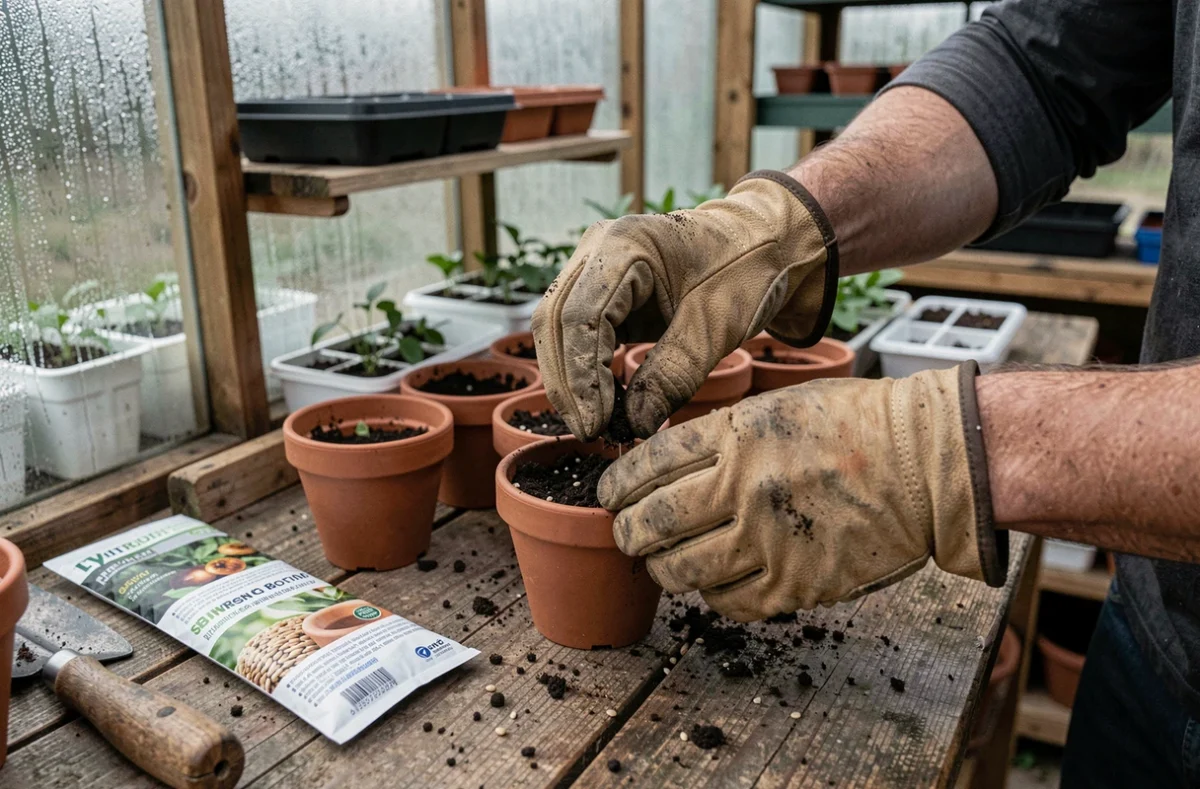
Creating a thriving garden while complying with these regulations takes less extra work than you might think, provided you make the right choices from the outset. It comes down to one key question: will the plant I’m about to put in the ground create a legal obligation or a problem with the neighbors three years from now?
- Choose local species or plants suited to your region’s climate that are not on any invasive alien species list and need little watering
- Identify bare patches and disturbed soil in the garden, where unwanted species—including ragweed—tend to take hold first
- Gradually replace areas of pure lawn with mixed ground cover to limit erosion, reduce mowing, and provide resources for pollinators
- Allow some spontaneous vegetation to grow in areas of the garden that are not subject to regulations, while actively monitoring only species covered by legal requirements
This approach is based on making informed choices upfront rather than carrying out constant maintenance. A garden planted with compliant, well-suited species needs fewer corrective interventions than one where problems only become apparent later.
Gardening in 2026 means knowing the legal status of your plants as well as their water and light requirements. This is not an administrative burden: it is a one-time check when buying or propagating plants that can save years of restrictive maintenance later on.