A mimosa harshly hit by frost never plays the same tune from one year to the next. Some branches appear vigorous, while others silently dry up, and the urge to cut everything back can prove a trap for the already weakened tree.
The timing for intervention depends on the extent of the damage and the awakening of the vegetation, which are never perfectly synchronized, even between two neighboring mimosas. After a harsh winter, maintenance requires attention: inappropriate pruning can hinder recovery, where patient observation makes all the difference.
Recognizing a frost-damaged mimosa: signs to observe after winter
The mimosa, the plant icon of the South, has never excelled in cold resistance. Its Australian origin makes it particularly sensitive to late frosts, especially when young or from less hardy varieties. After winter, it is essential to examine its branches: has the silhouette maintained its bushy shape, or are the branches becoming bare, gray, and naked? Marked frosts often lead to a cascade of symptoms: browned or blackened leaves, sudden leaf loss, and sometimes even cracks in the bark of exposed branches.
A close examination of the stems is necessary. Affected areas take on a distinct brown hue, become brittle, and break under pressure. Dead wood is unmistakable: it lacks flexibility, has no buds, and its bark easily peels away. The consequences of frost are also reflected in the flowering, which may be absent or delayed on the affected branches. Yet, the mimosa sometimes defies predictions: despite severe damage, the stump or base may produce vibrant green shoots, a sign that vitality remains, lying in wait.
To identify what is still alive, nothing beats the bark scraping test. Under the bark, green wood signifies life, while brown wood indicates the lost part. This simple action outlines the plan for pruning a frost-damaged mimosa without mistakenly condemning a branch with a promising future. With young mimosas, caution is even more critical: their cold tolerance improves over time, but they remain vulnerable until their rooting is complete.
Should you prune immediately or wait? The right actions to help your mimosa recover
The reflex to prune a frost-damaged mimosa quickly takes over as winter ends. However, the tree has not yet revealed all its strengths. Waiting for the sap rise, usually in March or April, depending on the warmth of spring, gives the tree time to show which branches are truly alive. An overly early cut would remove parts ready to bloom again.
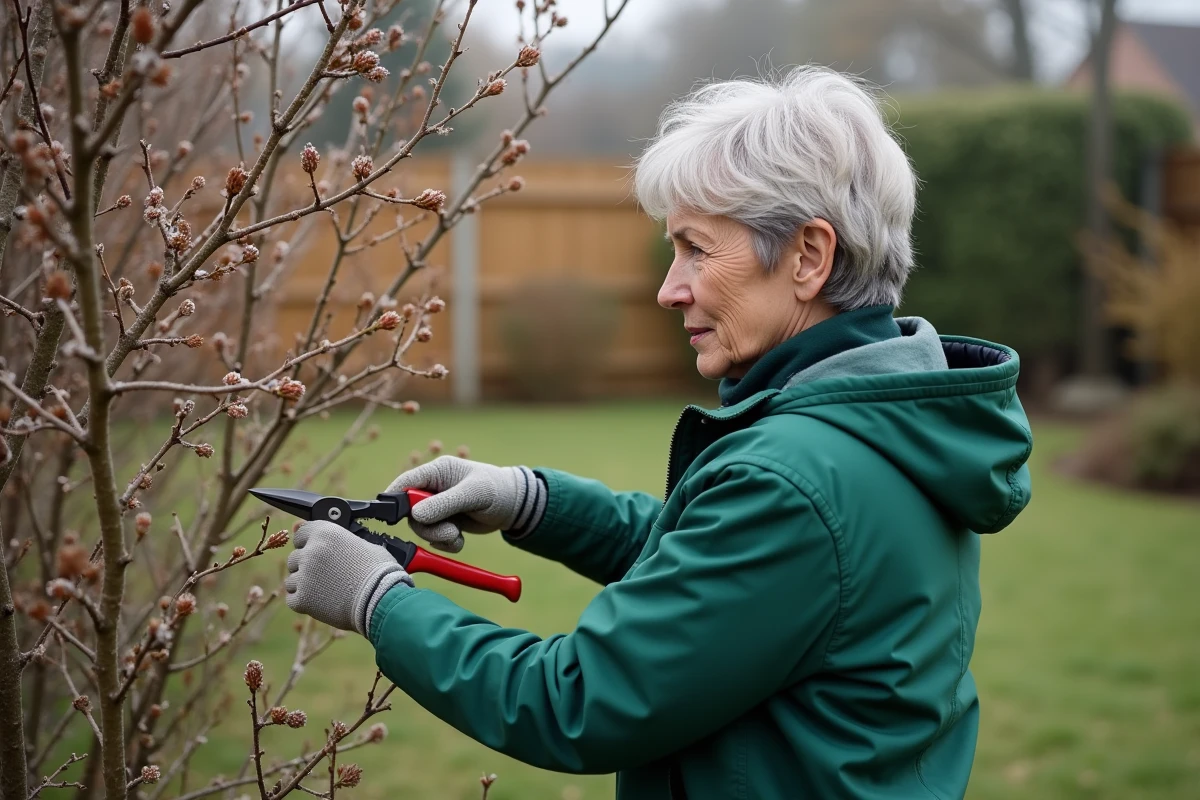
The process unfolds in several stages. Start with the bark scraping test: a light incision reveals the color of the wood, green for life, brown for death. Only remove branches that are completely dried out or broken. Use a well-sharpened pruning shear to ensure clean cuts, just above a bud facing outward.
Here are three recommendations for successful pruning and preserving the tree’s vigor:
- Wait for new shoots to appear before making severe cuts
- Remove only dead or frozen wood, without touching the still-living parts
- Prune after flowering to avoid exhausting the mimosa
Once pruning is complete, give a boost to regrowth by applying a specific fertilizer or well-matured compost. Regular watering will also be necessary, especially for potted mimosas, planted in well-draining soil. Keep in mind that patience pays off: it is not uncommon to see branches sprouting several weeks after the last frost, with the stump revealing unexpected young shoots.
Preventing cold damage: simple tips to protect your mimosa during the next winters
Even sturdy, a mimosa is never safe from the assaults of a harsh winter. Prolonged freezing periods or late cold snaps remind us how exposed it remains. Prevention starts with choosing a thoughtful location. Opt for a spot sheltered from winds, near a wall or hedge, to limit temperature shocks and provide natural shelter. In the South-West or near the Mediterranean, mimosas gain resilience with the years, but as long as they are young, in pots or in the ground, they require special attention.
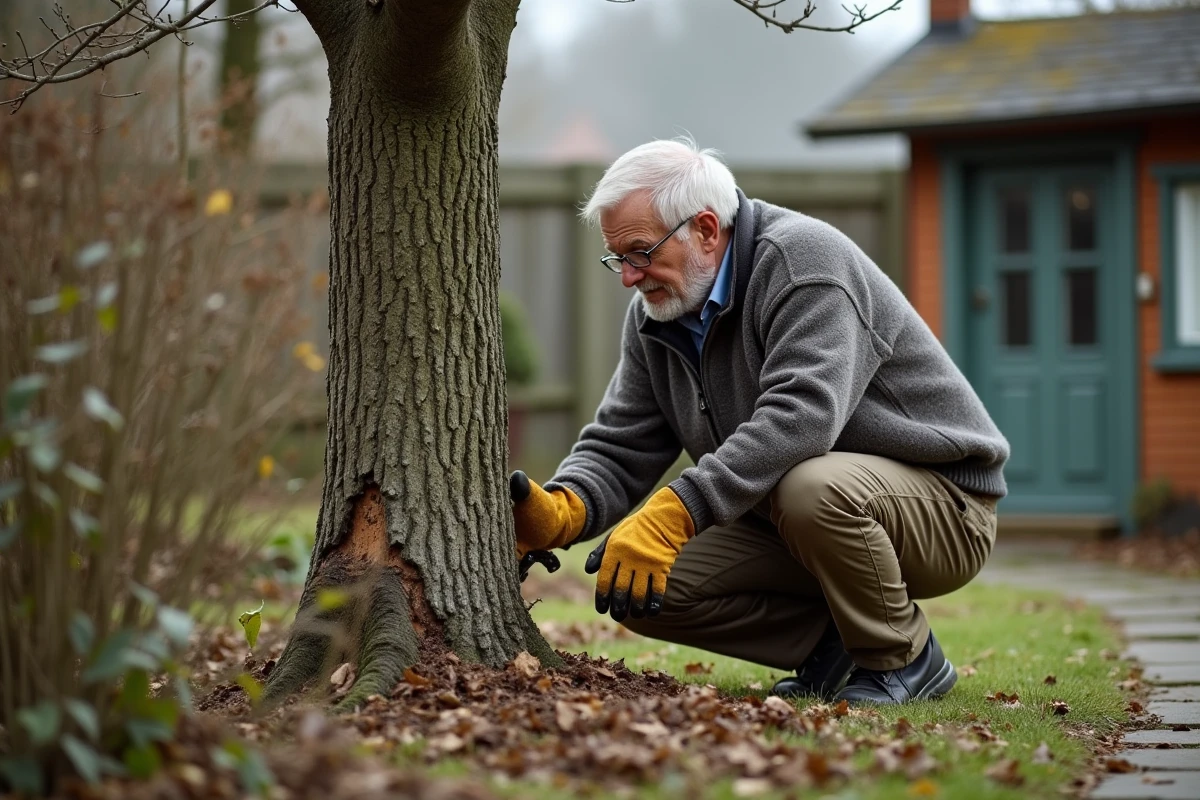
When temperatures threaten to drop, the first step is to install a generous mulch at the base: dead leaves, shredded material, straw… This plant layer insulates the roots, mitigates temperature fluctuations, and maintains beneficial moisture. Install it in the fall and renew it each season to ensure its effectiveness.
For the most exposed mimosas, especially those in pots, applying a winter cover proves invaluable. Gently wrap the branches without suffocating them, which helps limit condensation while allowing the shrub to breathe. Place pots on blocks or a slab to insulate them from the ground and limit cold transmission from the soil.
To strengthen the protection of your mimosa, here are the main measures to implement before the bad season:
- Place it in an area sheltered from cold winds
- Cover its base with thick, renewed mulch
- Wrap it in a winter cover during the coldest episodes
- Elevate pots to prevent frost from the ground
Anticipate, observe, adapt: this is the art of keeping your mimosa its winter brilliance. A discreet vigilance, a few precise actions, and the tree regains its place among the promises of spring each year.